
In a house that relies heavily on natural light, the handoff from daylight to electric light happens every evening, and how smoothly it goes tells you most of what you need to know about the lighting system behind it. Some rooms adjust on their own as the sun drops. Others send you hunting for the right switch on a crowded wall plate. That difference is settled long before anyone picks a fixture, back during design, which is when Creative Sound and Integration prefers to join a project.
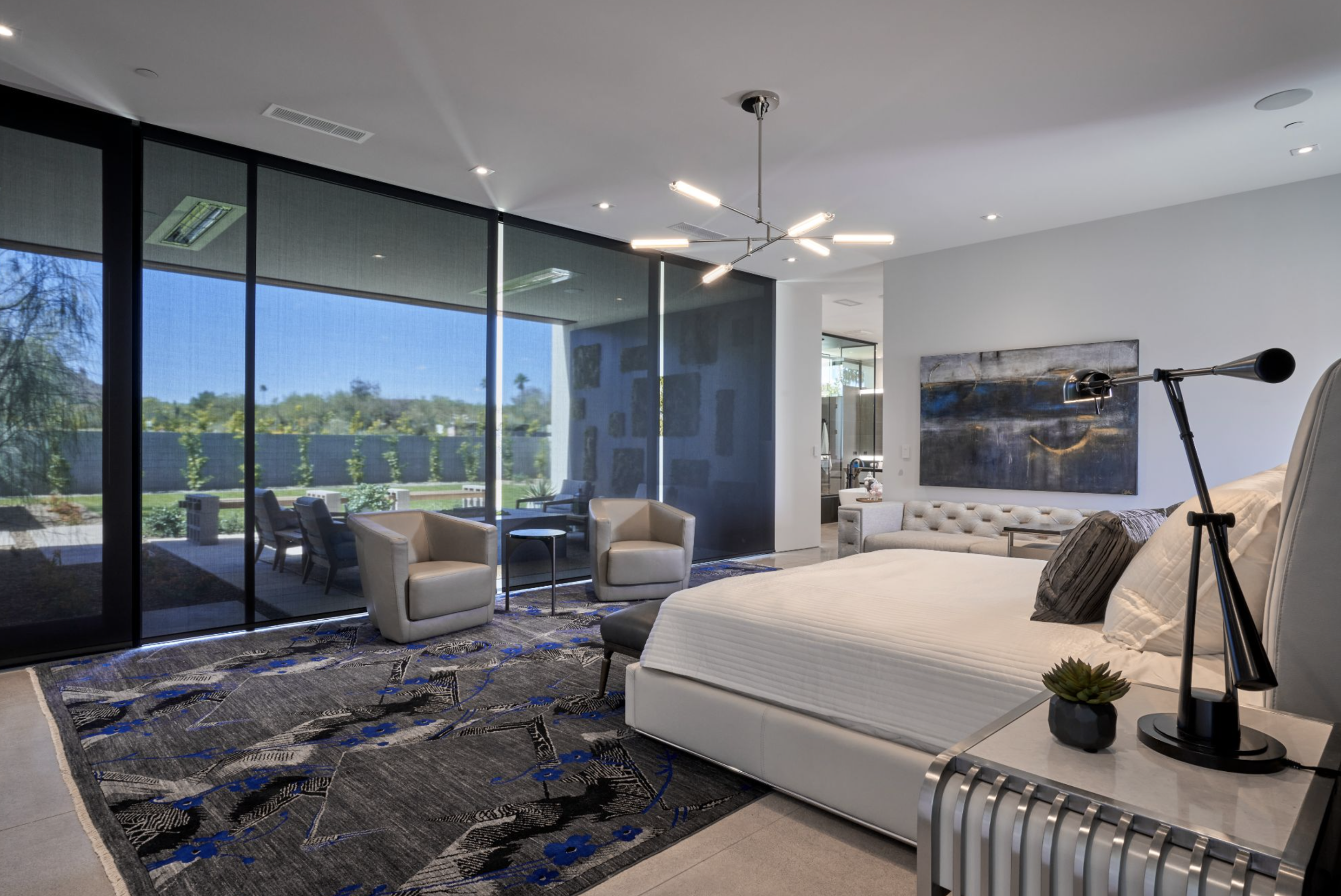
The Fixtures Are the Easy Part
Fixtures are the visible part of lighting, and usually the only part homeowners get asked about. The architect and interior designer set the look, and on a serious project a lighting designer refines it. That is one of the few decisions a homeowner will notice every day for as long as they live in the house.
What's less visible is the technology behind each fixture. Every light requires electronics that control how it dims, and those components are designed to work with specific types of control. The lighting system must be chosen to match, and that needs to be coordinated during the design process, not figured out after installation.
When this does not happen, the symptoms are predictable. Fixtures flicker at low levels. They refuse to dim past a certain point and cut straight to black. Lights on the same run read visibly different in color. None of that is a fixture defect, and swapping the fixtures rarely fixes it, because the problem traces back to equipment decisions that were made in separate rooms and never compared before the order went in. That layer underneath the lighting design is where Creative Sound and Integration works, so the plan on the drawings performs the way it was drawn once the house is wired.
The Sun Is Your Largest Fixture
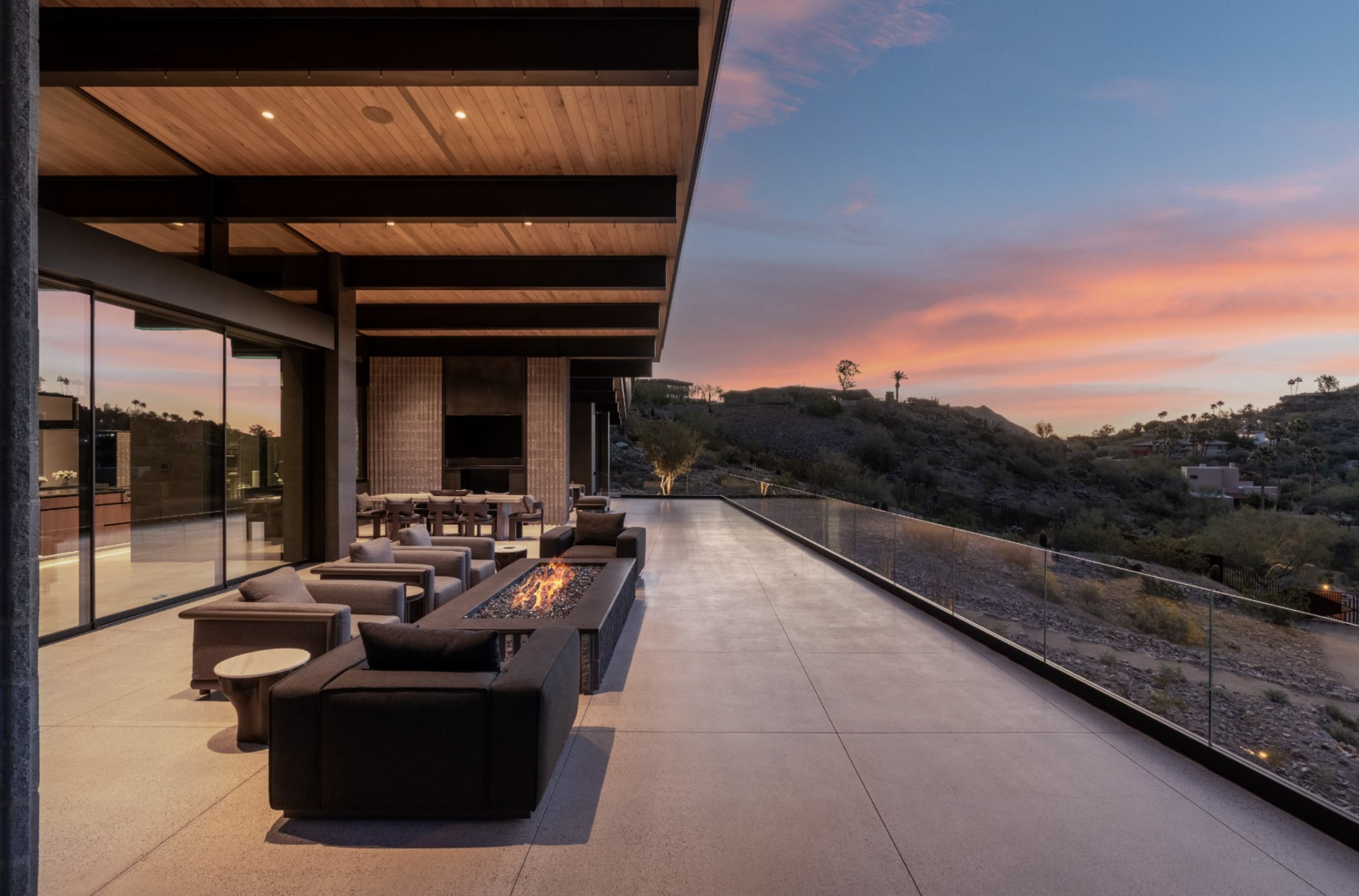
In the desert, sunlight dominates most rooms for most of the year, and it is not always welcome. Low winter light comes through west-facing glass at eye height. Summer glare flattens a room that was carefully composed on paper. On the Kona side the light is gentler and the day runs longer, so shading there handles heat as much as brightness.
Shading therefore does as much work in a lighting plan as the fixtures do, and the two have to operate as one. If the shades and the lights run on separate systems, or on a single system that was never configured to account for both, they get adjusted against each other. Shades come down, lights come up to compensate, and nothing lands where it should.
Designed together, the lighting can also follow the course of the day on its own, staying cooler around midday and warming toward evening. That capability is worth paying for, but only if the shades, the fixtures, and the control system were specified as a set. Otherwise it becomes a feature nobody ever turns on.
The Wall Beside the Door
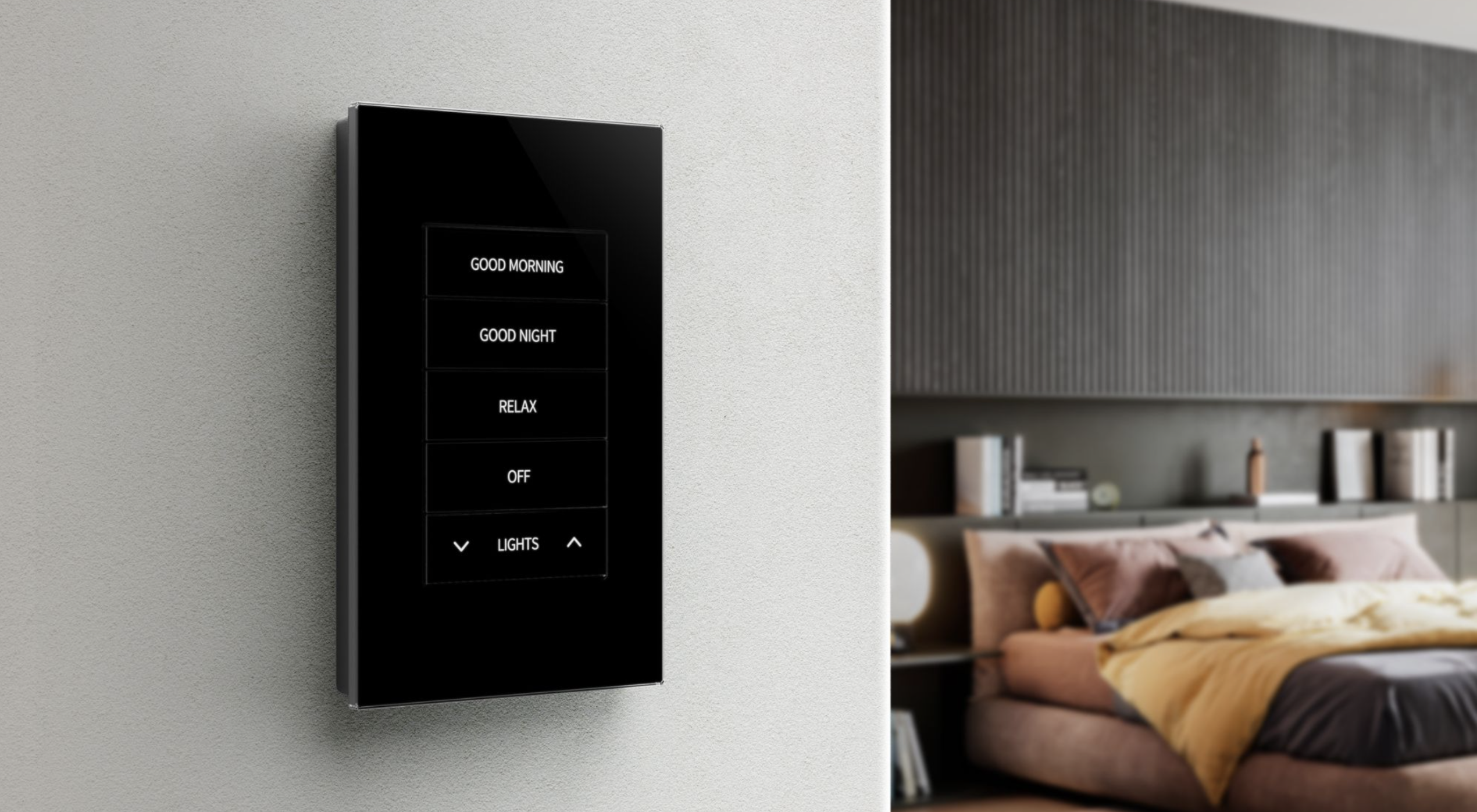
Five or six switches ganged up beside a doorway, mounted wherever the electrician was told to mount them, is one of the more common oversights in an otherwise finished house.
Avoiding it means answering a few questions early, at a point when they can feel premature. How many lighting settings does this room actually need, and what should each one be called? Where does the keypad go so it is easy to reach and does not interrupt an elevation the designer spent weeks resolving? Custom engraving takes time to produce, so those names have to be locked months ahead. Creative Sound and Integration works through all of it with the interior designer and the electrician while the drawings are still open, so what ends up on the wall suits the room.
Year Five
Service gets the least attention during design and the most use afterward. When a keypad stops responding two years after move-in, and the fixture, the dimming equipment, the wiring, and the programming all came from different sources, nobody can say whose repair it is.
Keeping lighting, shading, and control inside one integrator's scope settles that in advance, because there is a single number to call. Creative Sound and Integration maintains what it designs and keeps full teams in Arizona and Hawaii, so the technician who shows up in year five has the original drawings and the reasoning behind them. For clients with more than one property, that continuity carries over, since the team already knows how the household lives in a home and the second project starts with what was learned on the first.
So What Does Waiting Actually Cost?
All of this depends on being involved while the ceiling plans are still in progress. Fixture locations determine where framing and structural support go. Keypad locations determine where electrical boxes land and how walls get finished. Pockets for recessed shades have to be sized during design, because a pocket cannot be added to a finished ceiling without opening it back up.
Once the electrical rough-in is inspected and signed off, the lighting design is effectively fixed. Nobody announces when that moment arrives. Options simply narrow, and what is left is a matter of working within what has already been built.
The Home Technology Association publishes a set of lighting resources for design and build teams, and they are worth reviewing when evaluating how a technology firm approaches this work.
Bring Creative Sound and Integration Into the Conversation
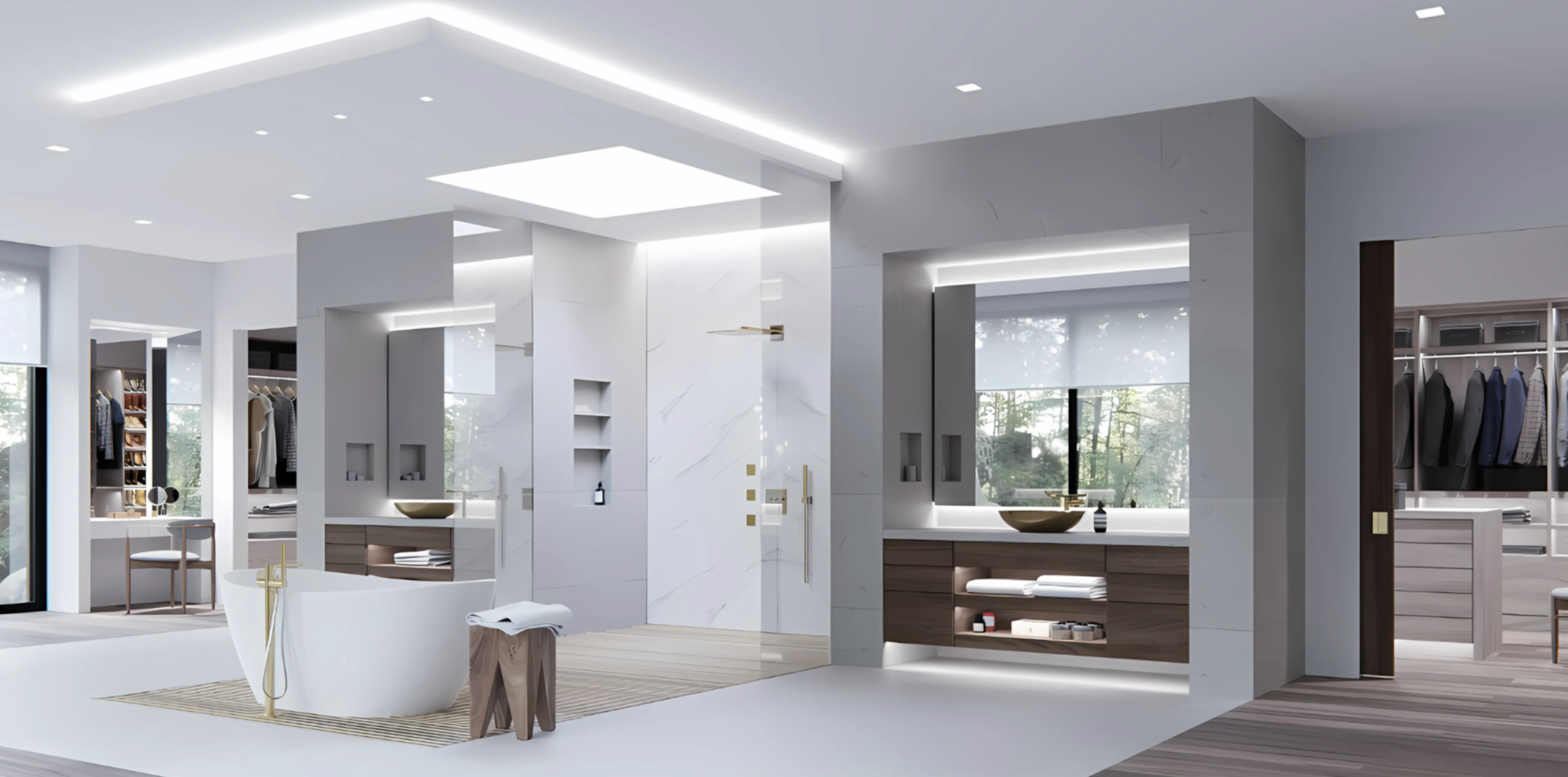
Lighting shapes the experience of a home more than almost any other system in it, and most of that experience comes down to decisions made during design rather than to the fixtures themselves.
For anyone assembling a team for a new residence or a significant renovation, Creative Sound and Integration would rather be part of the conversation while the drawings are still changing.
Arizona: 480.998.9699 | Hawaii: 808-756-4293