
Most people building a home in Paradise Valley or along the Kona coast spend months choosing an architect. The interior designer takes nearly as long. The builder is often selected after the owner has walked through a few of their completed projects and seen the work firsthand.
Technology is often handled differently. It comes up late, sometimes after the construction documents are already finished. By then, many of the decisions that would have been easier to make during design have already been made for you.
Part of that comes from an old way of thinking about home technology. It used to be mostly about equipment, and equipment could reasonably be purchased toward the end of a project. That is no longer the case. Today's systems are built into the home itself, and they need to be considered alongside the architecture, electrical, lighting, millwork, and interior design. This is why Creative Sound and Integration works as a design partner rather than a vendor brought in at the end.
Technology Has Become Infrastructure
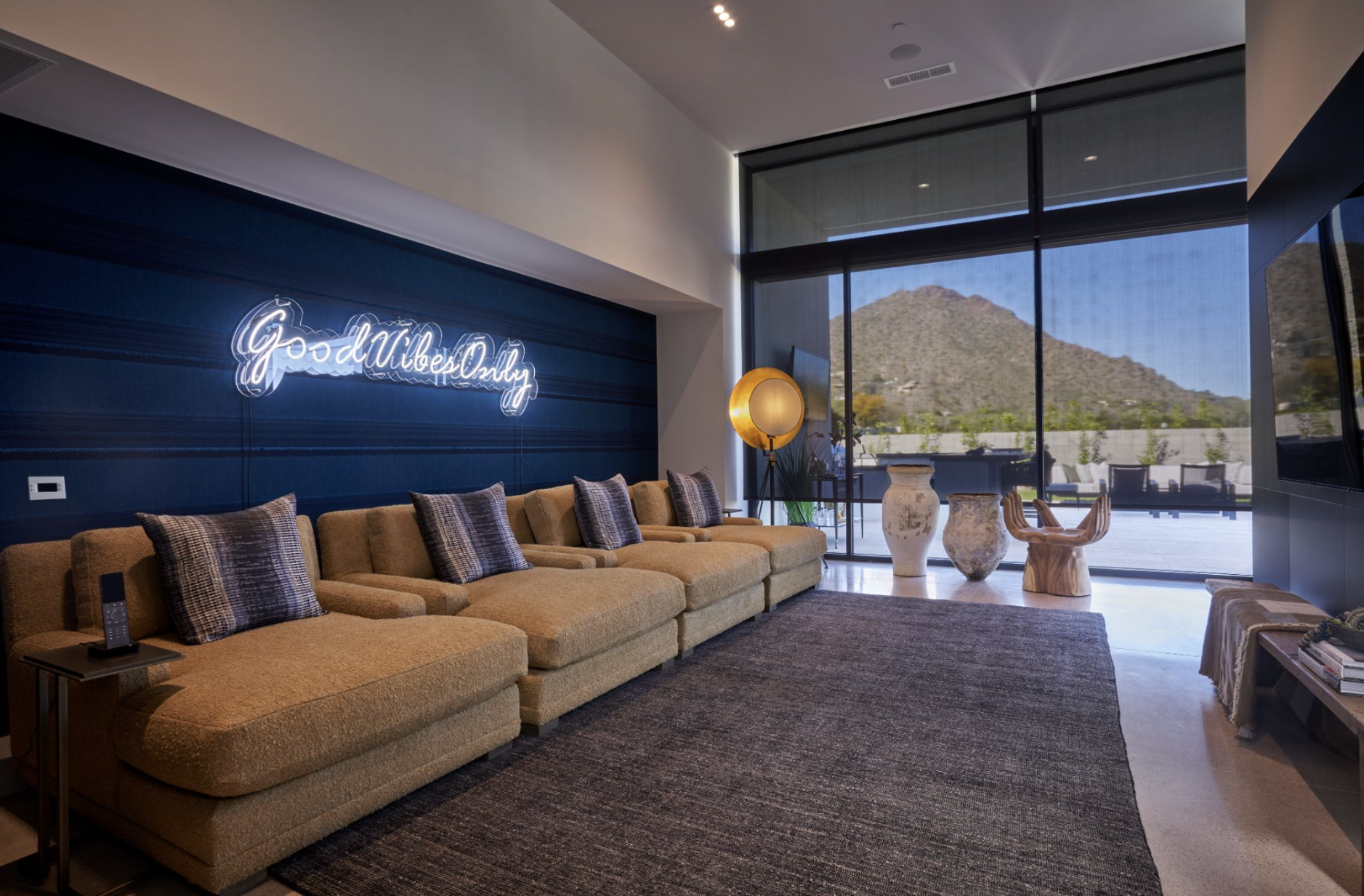
Think about what a well-designed home now asks its technology systems to handle. Lighting sets the character of a room and can be programmed around how the people in the home actually use it. Motorized shades need to be accounted for during framing, particularly when they are being concealed in ceiling pockets. Outdoor spaces may need audio, lighting, networking, and control across an acre or more of property.
Then there is the network underneath it all. It may be supporting security cameras, entertainment, remote work, Wi-Fi, and energy management at the same time.
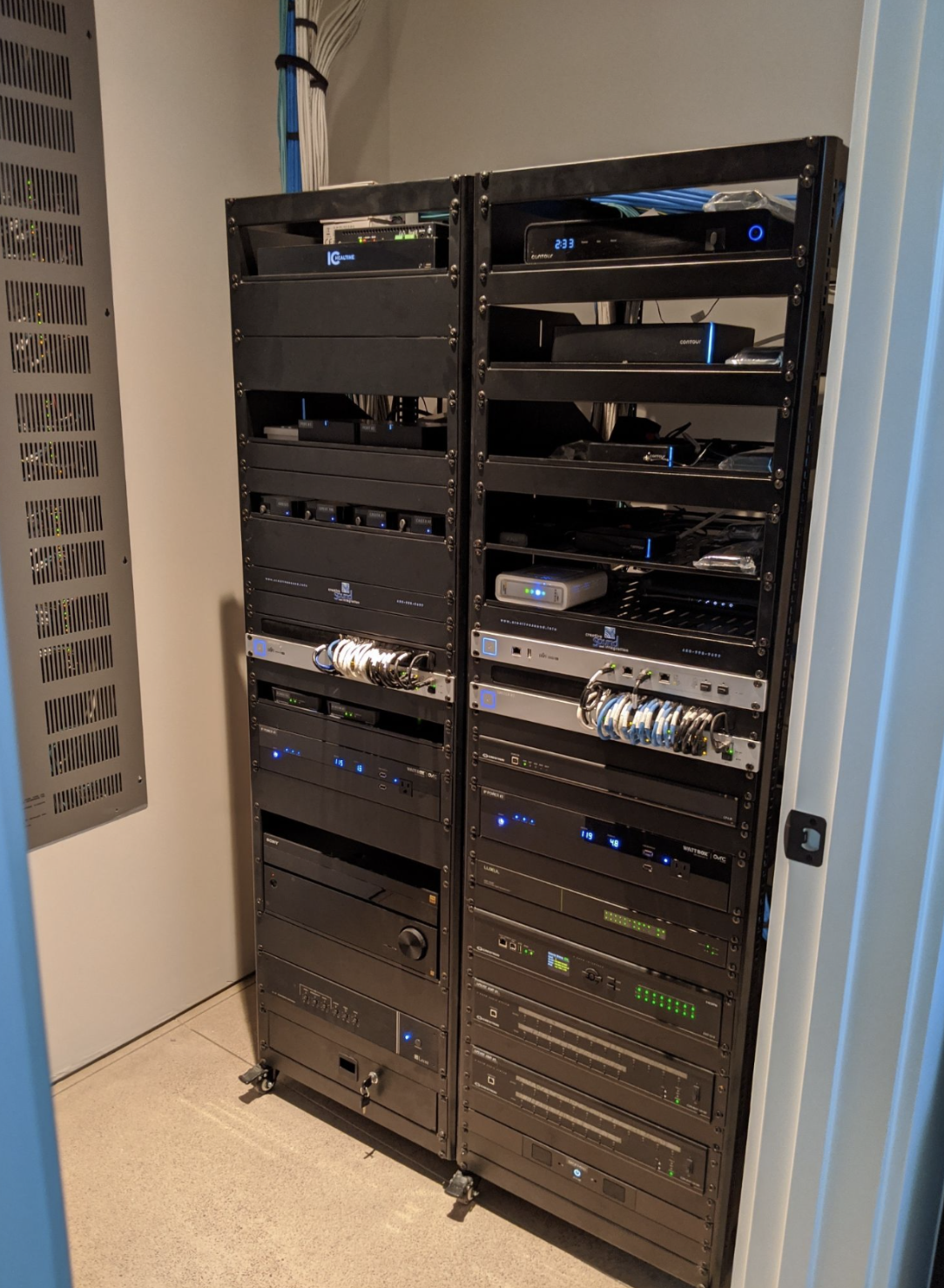
None of these systems exist in isolation. Lighting control affects the electrical plans and interior elevations. A concealed television can change both the millwork and the framing behind it. Equipment needs dedicated space, power, ventilation, and a practical way to access it for service.
Those details are much easier to solve when they are part of the design from the beginning, which is where Creative Sound and Integration prefers to enter a project.
Some of the most important work Creative Sound and Integration does on a custom home has little to do with choosing equipment. It is about protecting the architectural and interior design the homeowner is investing in.
When the Creative Sound and Integration team works alongside the architect and designer, pathways can be planned where they actually belong. Speaker locations can be coordinated with the reflected ceiling plan. Keypad locations can be settled with the designer well before an electrician is standing in a framed wall asking where the box should go.
Equipment rooms can also be sized and ventilated correctly instead of being treated as an afterthought.
Bring the technology team in later and those same decisions still have to be made. There are simply fewer options for making them work cleanly, and changes can become more expensive once construction is underway.
A homeowner who waits does not avoid making technology decisions. That homeowner makes the same decisions later, with fewer options, under worse conditions, and usually for more money.
Documentation Is the Tell
Homeowners evaluating a technology firm often ask about brands and product lines. A more useful question may be what the firm actually puts on paper.
Creative Sound and Integration produces drawings and documentation throughout a project: device placement plans, equipment layouts, riser diagrams, prewire specifications, and other documents that allow the architect, builder, and trades to coordinate before problems reach the job site.
Good documentation also gives the homeowner a clearer picture of what is being proposed and what the project should cost. That makes it easier to identify changes before they turn into expensive surprises later.
The Home Technology Association goes into more detail on why documentation matters on luxury residential projects, and it is worth reviewing when evaluating a technology firm.
If a company cannot show you how it plans and documents a project, that tells you something about how involved it is likely to be in the design process.
Projects That Extend Past the House
A good portion of what Creative Sound and Integration builds extends beyond the main residence.
That might mean a home office with conference-grade video and acoustic treatment, a casita or guest house connected to the same network, or a family office or hospitality property owned alongside the home.
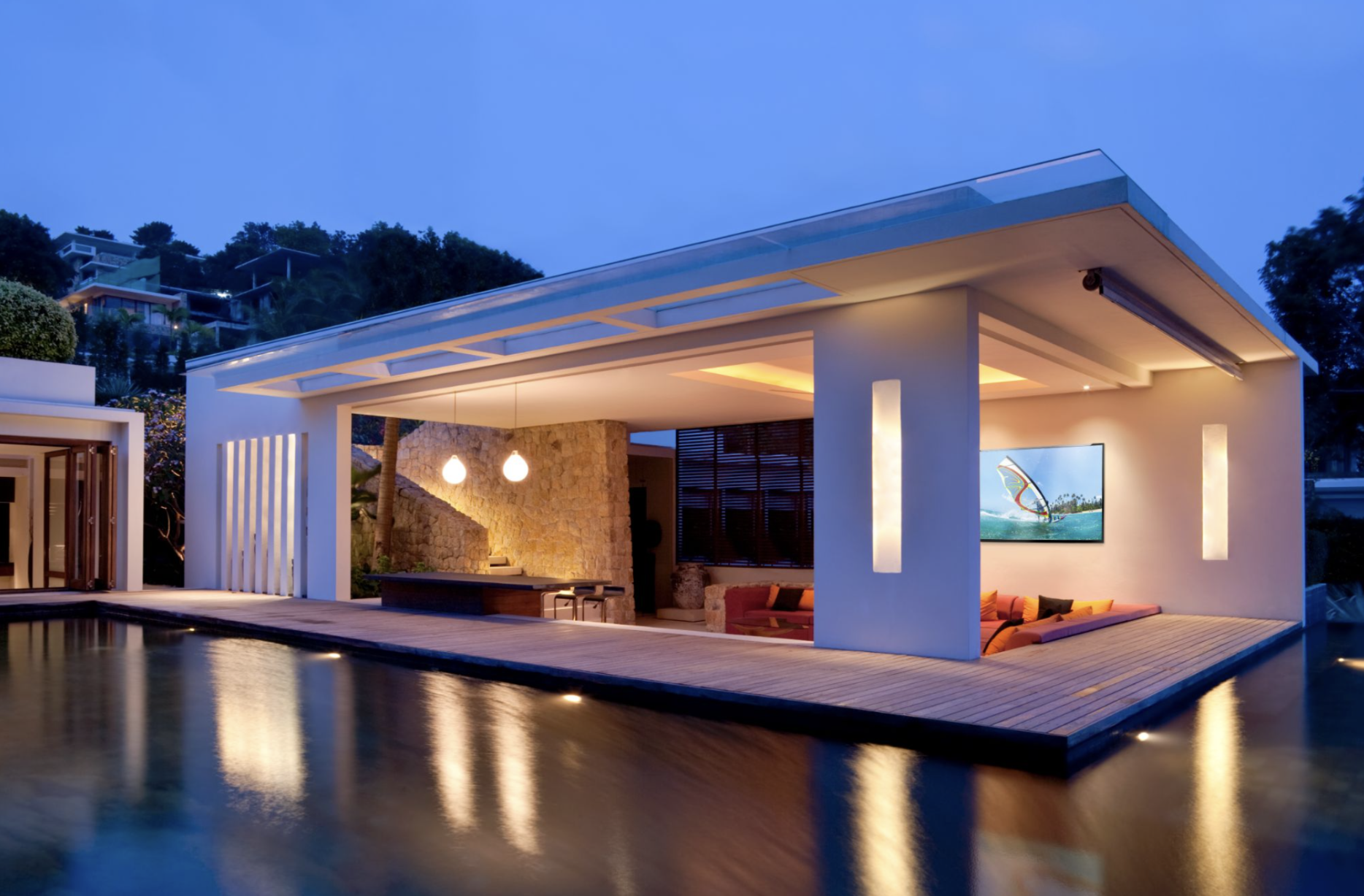
The same principle applies to all of them. Systems planned during design are easier to integrate, easier to maintain, and less likely to require compromises once construction is underway.
For clients with multiple properties, there is another advantage to working with the same technology firm. The Creative Sound and Integration team develops an understanding of how the client actually uses their spaces, which can make future projects more consistent from one property to the next.
Arizona and Hawaii
Creative Sound and Integration has full teams in Scottsdale, Arizona, and Kailua-Kona, Hawaii.
For clients who own homes in both locations, that means the same design approach, documentation standards, and support across two very different building environments. Desert construction and coastal construction present different challenges for technology systems, from heat and dust to humidity and salt air.
Experience in both markets matters because those conditions affect how equipment is selected, installed, protected, and maintained. Creative Sound and Integration builds in both.
Bring Creative Sound and Integration Into the Design Conversation
The homes where technology feels effortless are usually the ones where it was considered early, alongside the architecture, lighting, millwork, and finishes.
If you are putting together a team for a new residence or a major renovation, Creative Sound and Integration would rather be part of that conversation while the drawings are still evolving.
Arizona: 480.998.9699
Hawaii: 808.756.4293